


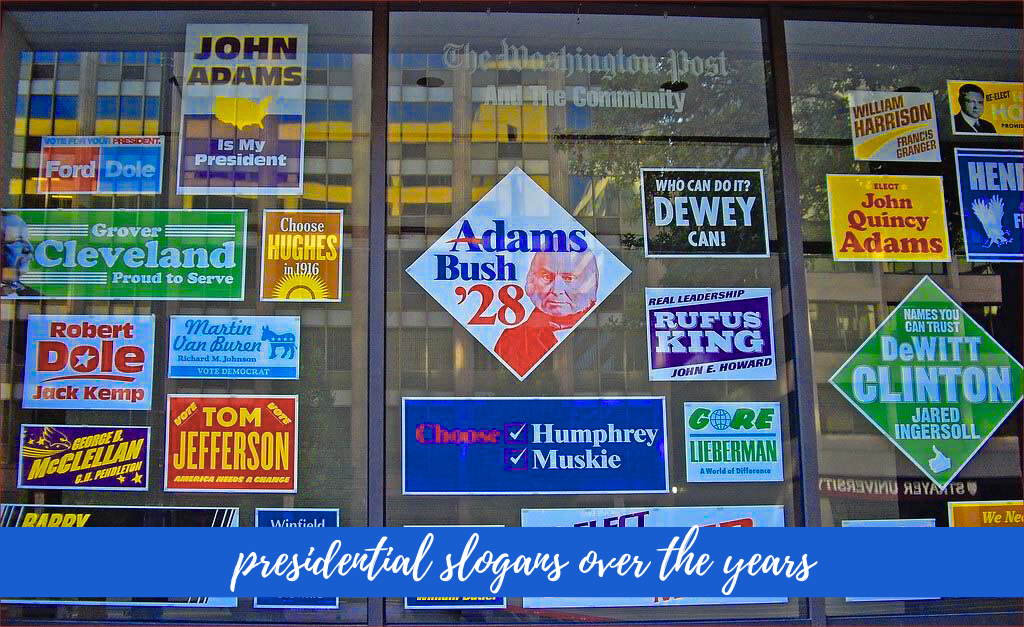
When we look back at the history of presidential campaigns in the United States, one thing stands out — the memorable phrases that candidates use to connect with the public. These are presidential slogans over the years, short statements that capture the hopes, dreams, and priorities of a nation. They do more than advertise a candidate; they define eras, inspire generations, and often reflect the mood of the country.
Presidential slogans over the years are more than marketing tools. They are concise messages that communicate a candidate’s vision, values, and goals in just a few words. Effective slogans are memorable, emotionally resonant, and easy to repeat. When voters hear them, they instantly associate candidates with certain ideals or promises.
Slogans are also mirrors of the times. A message that resonates in an era of economic hardship may fail during times of prosperity. The most effective presidential slogans over the years reflect the public’s feelings and provide voters a sense of connection with the candidate.
Early and Historic Slogans
The tradition of presidential slogans over the years dates back to the early 19th century. William Henry Harrison’s “Tippecanoe and Tyler Too” in 1840 is one of the earliest examples. The slogan highlighted Harrison’s military heroism during the Battle of Tippecanoe and became a chant that energized supporters nationwide.
In the 19th century, slogans often focused on heroism, patriotism, and local pride. James Garfield’s campaign, for instance, emphasized integrity and reform. These slogans were simple but effective, helping candidates build trust with voters who had limited access to media.
Herbert Hoover, in 1928, ran with “A Chicken in Every Pot and a Car in Every Garage.” This slogan promised prosperity and comfort, appealing to Americans during a period of economic growth. It demonstrates how presidential slogans over the years often reflect societal priorities and desires.
Franklin D. Roosevelt’s “Happy Days Are Here Again” in 1932 is one of the most famous examples. During the Great Depression, Americans who had lost jobs, homes, and savings found optimism in his message. This shows that presidential slogans over the years can inspire hope during times of crisis, offering reassurance when citizens need it most.
Slogans That Captured Hope and Change
Some presidential slogans over the years capture moral purpose, societal progress, or a vision of the future. John F. Kennedy’s “A Time for Greatness” in 1960 inspired a generation seeking leadership and opportunity. Kennedy’s slogan emphasized innovation, progress, and national ambition, creating excitement among younger voters.
Dwight D. Eisenhower’s “I Like Ike” in 1952 is another example of simplicity and effectiveness. The catchy phrase transformed Eisenhower’s nickname into a memorable brand, uniting supporters from diverse backgrounds. This demonstrates how presidential slogans over the years can build identity, loyalty, and personal connection.
Lyndon B. Johnson’s “All the Way with LBJ” in 1964 also exemplifies slogans designed to convey determination and commitment. It reflected the public’s desire for continuity after Kennedy’s assassination while emphasizing Johnson’s agenda for social reform and civil rights.
Slogans of Renewal and Patriotism
Ronald Reagan’s “Let’s Make America Great Again” in 1980 reflected a period of economic uncertainty, inflation, and global challenges. Later, his “Morning in America” advertisement reinforced optimism and renewal, connecting citizens to a hopeful national vision. Reagan’s campaign illustrates how presidential slogans over the years evoke emotions, unite people, and strengthen national identity.
George H. W. Bush’s “A Kinder, Gentler Nation” in 1988 is another example of a slogan emphasizing unity and empathy. While short-lived in popular memory, it highlights the evolution of presidential slogans over the years, reflecting changing societal expectations about character and leadership.
| President | Year of Election | Slogan | Age at Election | Family | Net Worth (Est.) | Physical Appearance | Social Media/Legacy |
|---|---|---|---|---|---|---|---|
| William Henry Harrison | 1840 | Tippecanoe and Tyler Too | 68 | Married; 10 children | $10,000 (historical est.) | Tall, white hair, formal 19th-century attire | Remembered as one of the earliest slogan campaigns |
| Herbert Hoover | 1928 | A Chicken in Every Pot and a Car in Every Garage | 54 | Married; 2 sons | $75 million (modern est.) | Average height, formal suit | Symbol of 1920s prosperity before the Great Depression |
| Franklin D. Roosevelt | 1932 | Happy Days Are Here Again | 50 | Married; 6 children | $60 million (modern est.) | Stocky, used wheelchair (polio) | Iconic Depression-era leadership, slogans symbolize hope |
| Dwight D. Eisenhower | 1952 | I Like Ike | 62 | Married; 2 sons | $8 million (modern est.) | Broad-shouldered, military bearing | Popular WWII general; slogans reflected charisma and simplicity |
| John F. Kennedy | 1960 | A Time for Greatness | 43 | Married; 4 children | $100 million (family wealth) | Tall, athletic, youthful appearance | Inspiring youthful leadership; slogans reflected idealism |
| Ronald Reagan | 1980 | Let’s Make America Great Again | 69 | Married; 4 children | $13 million (est.) | Tall, silver-haired, Hollywood presence | Slogan revived by later campaigns, strong nostalgic impact |
| Barack Obama | 2008 | Yes We Can | 47 | Married; 2 children | $70 million (modern est.) | Medium build, calm demeanor | First African American president; slogans inspired hope and inclusion |
| Donald Trump | 2016 | Make America Great Again | 70 | Married; 5 children | $2.5 billion (est.) | Tall, heavy build, distinctive hairstyle | Highly influential slogans; used widely in media and merchandise |
Modern Slogans and the Power of Inclusion
In recent decades, presidential slogans over the years have increasingly emphasized inclusion, participation, and collective action. Barack Obama’s “Yes We Can” in 2008 is a standout example. The slogan was simple, powerful, and forward-looking. It encouraged millions to believe in a shared future, symbolizing hope, change, and unity across diverse demographics.
Donald Trump’s “Make America Great Again” in 2016 built on Reagan’s legacy while emphasizing a return to perceived national strength and identity. This slogan demonstrates how presidential slogans over the years can be repurposed across generations, maintaining cultural relevance and political impact.
Modern campaigns also demonstrate how presidential slogans over the years adapt to technology. With social media, slogans now reach audiences faster and farther, keeping messages alive and interactive. Platforms like Twitter, Facebook, and Instagram amplify slogans and help them become part of cultural conversation beyond traditional media.
Why Some Slogans Work and Others Don’t
Effective presidential slogans over the years share common characteristics:
- Simplicity: Short and clear slogans are easy to remember and repeat.
- Emotional resonance: Slogans tap into hopes, fears, or national pride.
- Relevance: They align with the nation’s mood, politics, or economy.
- Catchiness: Rhythm, rhyme, and memorable phrasing make slogans stick.
- Adaptability: Successful slogans can work across posters, speeches, television, and digital platforms.
By examining historical campaigns, we see that presidential slogans over the years that combine these traits outperform those that fail to connect emotionally or contextually.
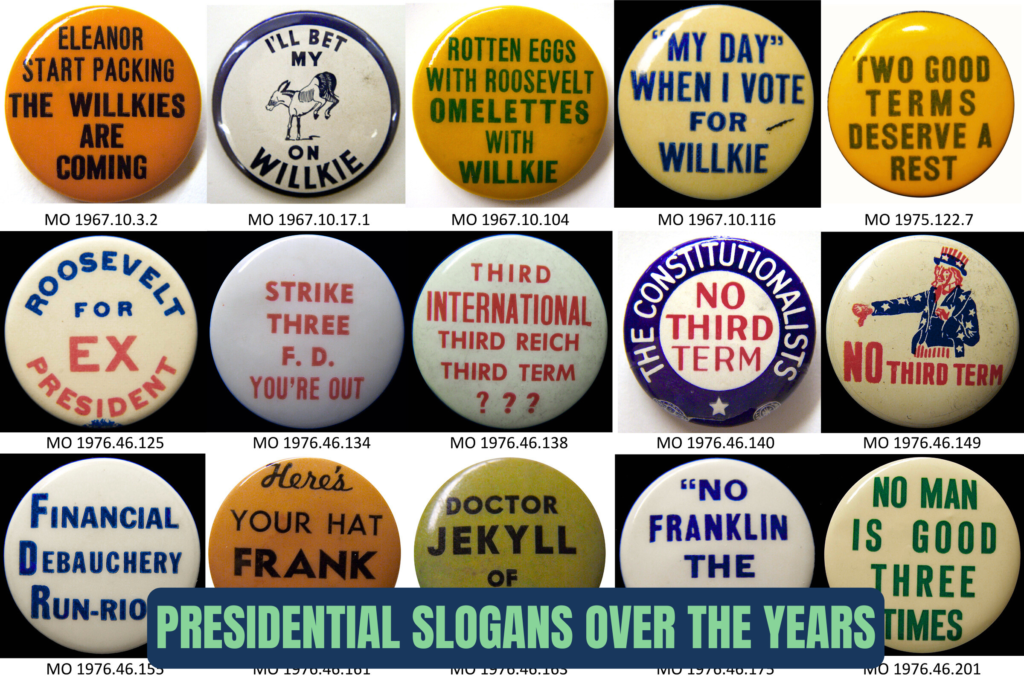
Slogans as Historical Snapshots
Presidential slogans over the years do more than define campaigns; they act as historical snapshots, showing the values, priorities, and challenges of the nation at particular moments.
- Early campaigns focused on heroism and patriotism, as in Harrison’s “Tippecanoe and Tyler Too.”
- Periods of economic prosperity saw slogans promising comfort and growth, like Hoover’s 1928 campaign.
- Crises brought hope and renewal, exemplified by Roosevelt’s “Happy Days Are Here Again.”
- Social change and civil rights movements inspired slogans promoting unity and progress, such as Kennedy’s “A Time for Greatness” and Obama’s “Yes We Can.”
- Nostalgia and identity concerns appeared in Reagan’s “Make America Great Again” and Trump’s reimagined version in 2016.
These examples highlight why presidential slogans over the years are more than political tools — they are windows into American society, culture, and public sentiment.
Beyond Elections: The Legacy of Presidential Slogans
Slogans are not merely campaign marketing tools; they become cultural artifacts. Well-crafted presidential slogans over the years often outlive elections, remembered and referenced decades later.
They influence how citizens perceive leadership, identity, and civic engagement. A short, catchy slogan repeated over months can inspire hope, pride, and unity — demonstrating the enduring power of words. Presidential slogans over the years show that even a few words can leave a lasting impact on millions of people.
Studying these slogans also reveals trends in political messaging. Over time, they evolve from heroism and moral duty to hope, inclusion, and nostalgia. This evolution mirrors broader societal changes and shifting voter expectations.
Conclusion
Presidential slogans over the years have been powerful instruments of communication, persuasion, and identity. From William Henry Harrison’s “Tippecanoe and Tyler Too” to Barack Obama’s “Yes We Can”, and from Dwight D. Eisenhower’s “I Like Ike” to Ronald Reagan’s “Make America Great Again”, slogans reflect both the candidates and the nation’s spirit.
Studying presidential slogans over the years provides insight into public sentiment, cultural priorities, and historical challenges. They are more than marketing lines; they are historical artifacts, showing how words, leadership, and ideas shape a country.
FAQs
Q1: What are presidential slogans over the years?
A: They are short, memorable phrases used by U.S. presidential candidates to convey their vision, goals, and campaign messages.
Q2: Why are presidential slogans important?
A: Slogans help candidates connect emotionally with voters, summarize their message, and create a lasting brand.
Q3: Which is the earliest famous presidential slogan?
A: William Henry Harrison’s “Tippecanoe and Tyler Too” in 1840 is one of the earliest and most memorable slogans.
Q4: Can presidential slogans influence voters?
A: Yes, effective slogans can inspire hope, unity, and trust, often shaping public perception and voter behavior.
Q5: Do modern presidents still use slogans?
A: Absolutely. Modern campaigns, like Barack Obama’s “Yes We Can” and Donald Trump’s “Make America Great Again,” rely heavily on slogans to connect with voters across media platforms.

