


Introduction
A client for PC is a software application installed on a personal computer that connects to a remote server to request data, services, or digital resources. Although the term may seem technical, it represents something most users interact with daily. From browsing websites and checking emails to managing cloud storage and accessing office systems, a client for PC plays a quiet but essential role in modern computing.
Understanding how a client for PC works helps individuals and organizations make better decisions regarding performance, security, and infrastructure planning.
What Is a Client for PC?
In simple words, a client for PC is a program that communicates with a server. It sends requests, receives responses, and presents information in a format that users can understand. Without a client for PC, accessing centralized services would not be structured or user-friendly.
For example, when you open a web browser, it functions as a client application. It sends a request to a server hosting a website and then displays the returned content. The same principle applies to email software, gaming platforms, and remote desktop tools.
How It Works
Every client-server interaction follows a structured pattern. When a client for PC starts, it first authenticates the user. It then establishes a secure connection with the server and begins exchanging data.
The server processes requests such as retrieving files, verifying login credentials, or loading web content. Once the server responds, the client software displays the results. Communication typically happens through secure protocols like HTTPS or other standardized networking methods.
This system allows centralized data management while users enjoy smooth access from their personal devices.
Client for PC – Bio Table
| Category | Details |
|---|---|
| Name | Client for PC |
| Type | Software Application |
| Purpose | Connects PC to remote server |
| Main Function | Sends requests & receives data |
| Used In | Web browsing, email, cloud, business systems |
| Types | Thin Client, Thick Client, Web Client |
| Platforms | Windows, macOS, Linux |
| Security | Encryption & Secure Login |
| Business Use | ERP, CRM, Remote Access |
| Importance | Essential for modern networking |
Types of Client Applications
Different environments require different designs. A client for PC can be categorized into several types depending on how much processing it performs locally.
A thick client handles most operations on the local computer. It only connects to the server when necessary for storage or synchronization. This type offers strong performance and offline capabilities.
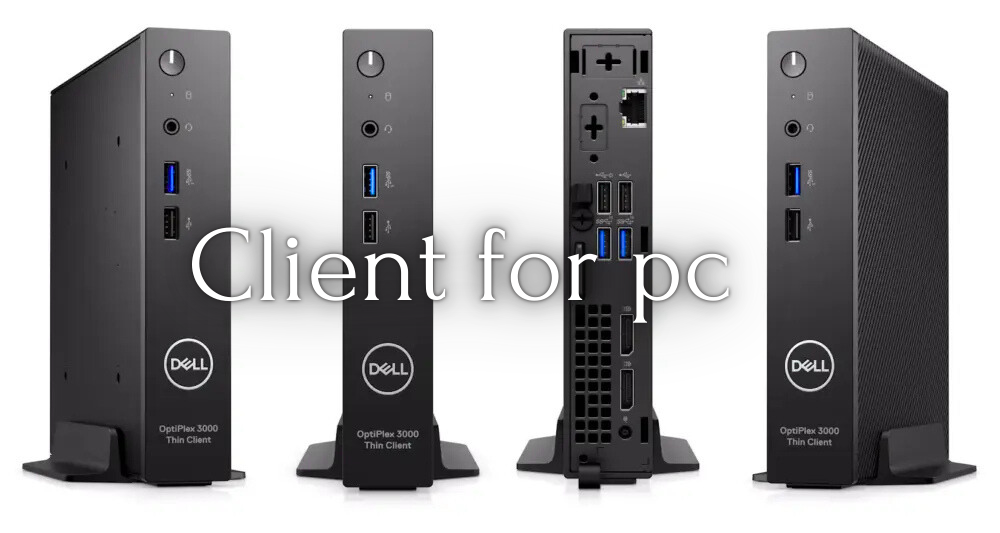
A thin client depends heavily on server-side processing. It performs minimal tasks locally and is commonly used in corporate offices and educational institutions. A thin client setup reduces hardware costs and simplifies maintenance.
Web-based systems also act as client applications, where the browser functions as the interface connecting users to online services.
Key Benefits
One of the biggest advantages of a client for PC is performance. Desktop applications can cache information locally, reducing repeated server requests and improving speed.
Another benefit is deeper hardware integration. Installed applications can directly access printers, cameras, microphones, and storage drives, offering a richer user experience.
Offline functionality is another strength. Some client applications allow users to continue working even without an internet connection. Once reconnected, data automatically synchronizes with the server.
Security also improves when systems are properly maintained. Encryption technologies and secure authentication methods protect sensitive data.
Business Use Cases
In professional environments, a client for PC becomes even more critical. Enterprise software systems rely on desktop applications to connect employees to centralized databases.
Remote work solutions use secure applications that allow staff to access company systems from different locations. File synchronization tools ensure that documents remain consistent across multiple devices.
Organizations often deploy thin-client infrastructures to reduce expenses and centralize management. In such setups, the local machine acts primarily as an access terminal while the main server handles computing tasks.
Security Considerations
Any client for PC must be kept updated to maintain strong security. Since it interacts directly with users, outdated software can create vulnerabilities.
Modern systems use encrypted connections, multi-factor authentication, and automatic updates to minimize risks. IT teams often monitor every connected machine to ensure compliance and prevent unauthorized access.
Regular maintenance ensures that applications remain compatible with server systems and protected from emerging threats.
Client Software vs Web Applications
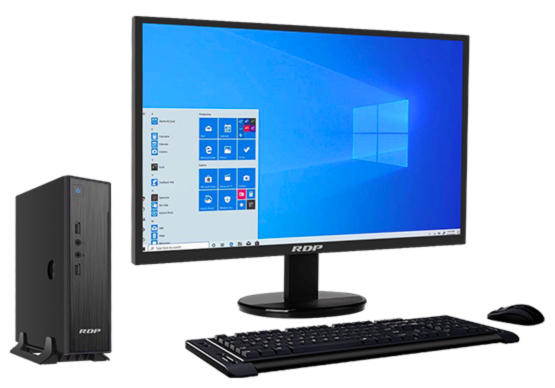
While web applications are convenient, a client for PC often provides better performance and system integration. Dedicated desktop software can handle complex tasks more efficiently and provide improved responsiveness.
Web-based tools, however, offer greater accessibility because they can be accessed from almost any device with internet connectivity. Many organizations choose a hybrid approach to balance flexibility and performance.
Hardware Requirements
The performance of a client for PC depends on the hardware configuration. Applications that perform heavy local processing require more RAM and faster processors.
Thin-client environments, by contrast, need minimal hardware because the central server handles most operations. A stable internet connection remains important for smooth communication.
Future Outlook
As cloud computing continues to grow, the role of the client for PC is evolving. Developers are designing lighter, faster, and more secure applications that combine local processing with cloud intelligence.
Artificial intelligence, improved encryption methods, and cross-platform compatibility are shaping the next generation of desktop applications. Despite advances in browser technology, dedicated software solutions remain highly relevant in performance-driven environments.
Conclusion
A client for PC serves as the bridge between users and centralized systems. It enables communication, enhances productivity, and ensures secure access to digital resources. Whether used for personal browsing or enterprise management, its importance cannot be overstated.
From thick desktop applications to thin-client infrastructures, modern computing continues to depend on reliable client software. By understanding how these systems work, users and businesses can select solutions that deliver efficiency, security, and long-term stability.
FAQs
1. What is a client for PC?
A client for PC is software installed on a computer that connects to a server to access data or services.
2. How does a client for PC work?
It sends requests to a server, receives responses, and displays the information to the user.
3. What is the difference between thin and thick clients?
A thick client processes data locally, while a thin client depends mainly on a central server.
4. Is a web browser a client for PC?
Yes, a web browser acts as a client when it connects to websites and online services.
5. Are client applications secure?
Yes, if updated regularly and protected with encryption and secure login methods.
6. Do businesses use client software?
Yes, businesses use client applications for ERP systems, remote access, and file management.

